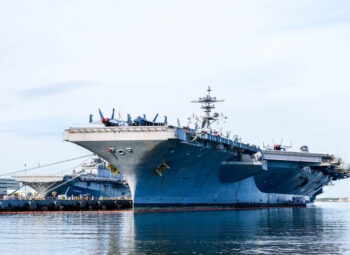



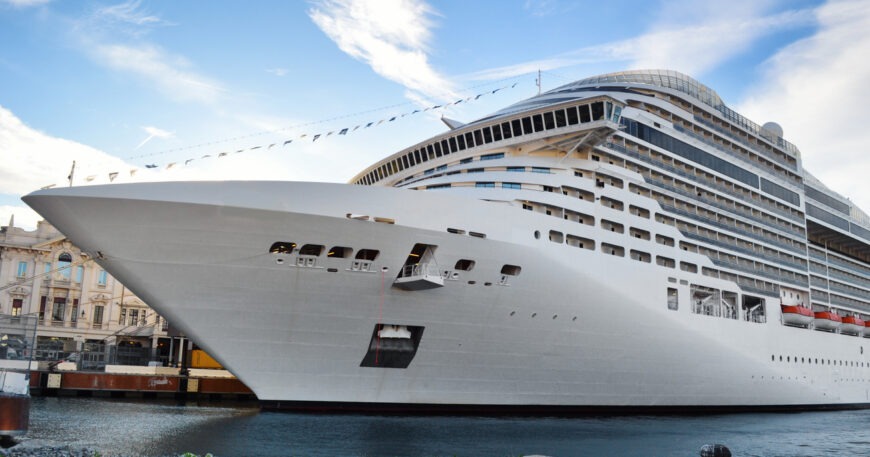
Modern shipbuilding today is caught between the conflicting priorities of economic efficiency, sustainability and technical innovation. This is particularly evident in the construction of cruise ships and naval vessels, which are among the most complex and demanding products in the maritime industry.
Economic significance of cruise ship construction
The construction of cruise ships is of outstanding economic importance for the maritime industry in Germany. In addition to direct orders for shipyards, extensive value chains are created: suppliers, engineering firms, electronics manufacturers and interior designers all benefit equally.
The central trades include, among others:
- Development and construction of modern drive systems
- Installation of complex electronics and control systems
- Manufacture and assembly of furniture, kitchens and air conditioning systems
Working on cruise ships secures highly skilled jobs. Designers, engineers, Welders, Electronics technicians and supply engineering specialists work closely together to meet the high technical requirements.
Government support and international competitiveness
Another economic factor is government funding. Innovative projects in shipbuilding are supported by the federal government, particularly in the area of environmentally friendly propulsion systems and digital control systems. This funding strengthens the competitiveness of German shipyards in international comparison and enables cutting-edge technological solutions.
Innovation as a driving force in cruise ship construction
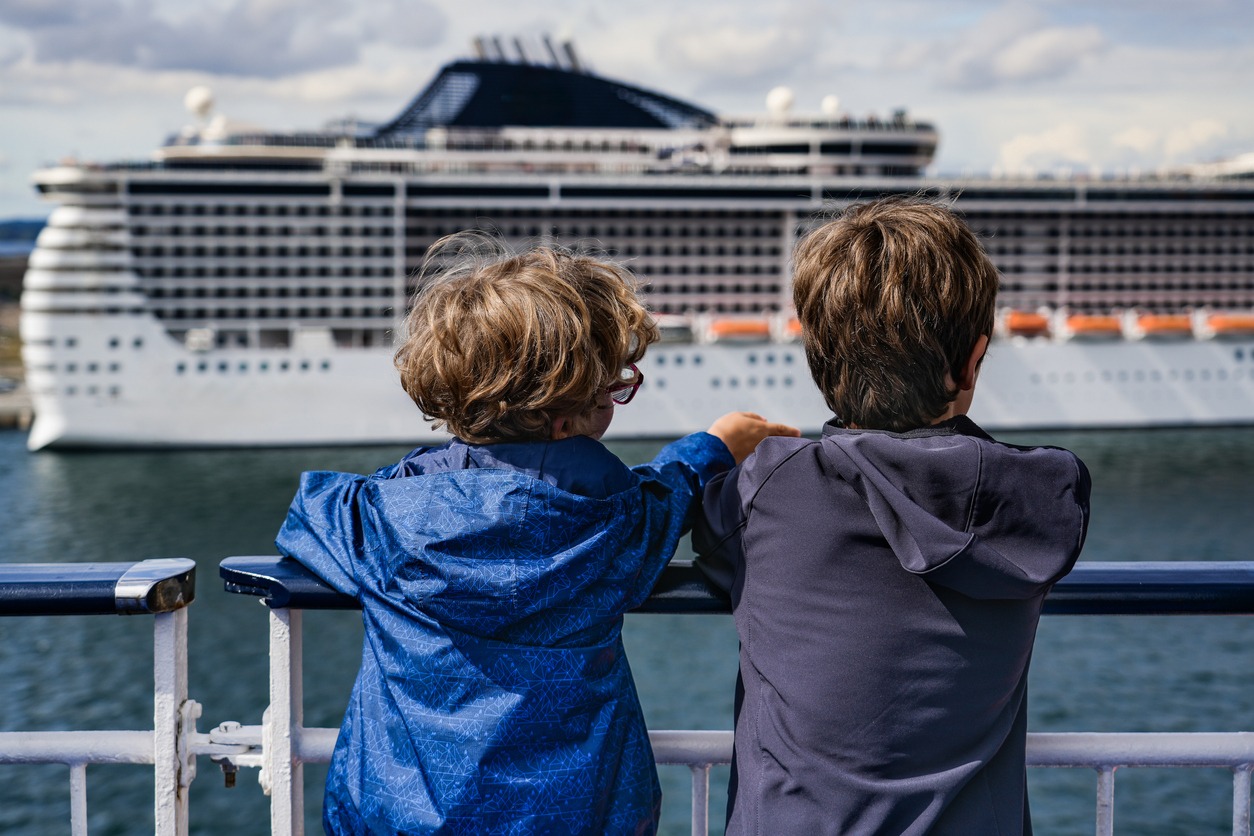
Cruise ships are subject to a continuous process of innovation and often serve as a testing ground for new technologies. These include:
- digital control and guidance systems
- automated security solutions
- low-emission or alternative drive concepts
- energy-efficient lighting and air conditioning systems
Digital control systems reduce the need for crew and lower personnel costs in the long term. Automated safety systems not only increase operational safety, but also contribute to greater efficiency. Low-emission propulsion systems and energy-efficient systems reduce fuel consumption and improve the environmental performance of ships.
International competitive pressure is forcing German shipyards to continuously develop these technologies and integrate them into new ship designs at an early stage.
Sustainability and environmental requirements in shipbuilding
The increasing importance of sustainability is reflected in ever stricter environmental regulations. Modern ships are equipped with sophisticated systems for emission control, wastewater treatment and waste management.
In addition, demand for new drive technologies is increasing, such as:
- LNG engines
- Hybrid and electric systems
These technologies require close cooperation between engineers, electronics specialists, technicians and welders in order to reliably implement the complex systems.
Cruise ships are therefore considered a prime example of the capabilities of German shipbuilding: state-of-the-art technology, high levels of comfort, strict safety standards and comprehensive environmental protection all come together here.
Naval vessels as high-tech defence products
The naval vessels of the German armed forces They form the backbone of German maritime defence and perform tasks in national security, international cooperation, humanitarian missions and logistical support.
Requirements for naval vessels
Unlike cruise ships, naval vessels are not designed with comfort in mind, but rather with operational capability. Nevertheless, comfort and transport capacity do play a role, as they extend the duration of operations and reduce the strain on the crew.
The focus is on:
- high operational readiness
- technical flexibility
- maximum security
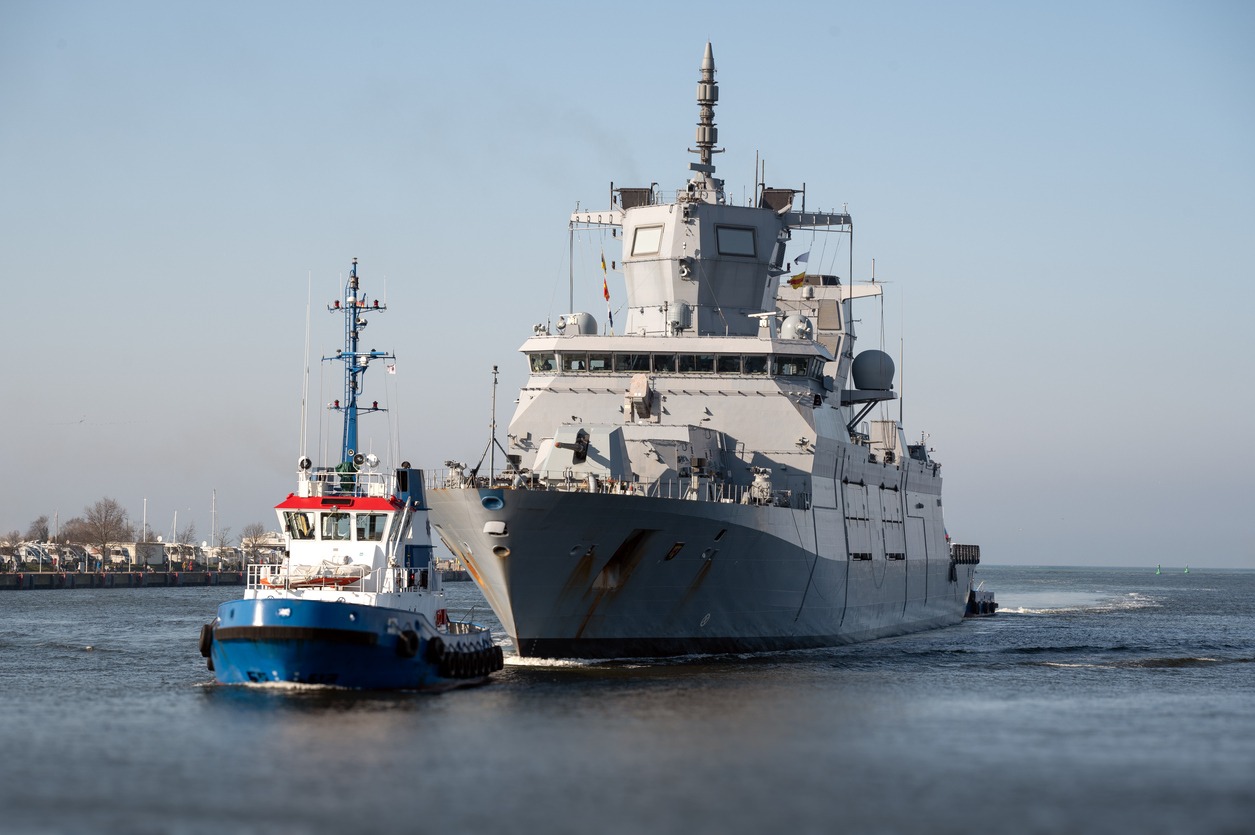
A naval vessel must be able to reliably fulfil its primary task while also being able to respond flexibly to new operational scenarios. An anti-aircraft frigate, for example, must be able to repel air attacks and also be deployed on humanitarian missions.
Safety and combat readiness
In addition to seaworthiness, naval vessels must withstand numerous threats. These include:
- air raids
- Missile and torpedo threats
- asymmetric threats such as explosive boats
Modern naval vessels are equipped with a variety of highly complex systems, including artillery, missile and defence systems, sensors, communication and jamming systems, and their own offensive weapons.
Complexity in military shipbuilding
The wide variety of ship types – from frigates and corvettes to submarines and supply ships – each presents its own technical challenges. The aim is to combine as many capabilities as possible in a limited space without losing sight of economic efficiency.
To achieve this, shipyards must be able to plan, coordinate and precisely implement highly complex systems. Civilian specialists and military clients work closely together to build high-performance, operational ships.
Conclusion
Both cruise ships and naval vessels impressively demonstrate the innovative strength and capabilities of German shipbuilding. Economic significance, technological excellence and increasing demands for sustainability and safety make these types of ships central pillars of the maritime industry. Expertise, a willingness to innovate and interdisciplinary cooperation will continue to be crucial in securing leading international positions in the future.
Zeitarbeit International offers Tailor-made solutions for companies in the shipbuilding industry. As an experienced partner in international recruitment, we support you in your search for qualified specialists – including applicant management, security checks and project-based staffing. Trust in our expertise and our network – we accompany you from the job advertisement to the successful recruitment.