



In shipping and shipbuilding, there are numerous types of ships that differ in terms of their area of application, function, size, technology and propulsion system. The spectrum ranges from naval vessels and container ships to exclusive yachts. Cruise ships are a particularly fascinating category.
Below, we take a closer look at cruise ships and examine why these floating giants are considered one of the greatest challenges in modern shipbuilding.
Cruise ships from Germany – in demand worldwide
Cruise ships from Germany enjoy an excellent international reputation. Shipyards such as Meyer Shipyard have specialised in the construction of this highly complex class of ship.
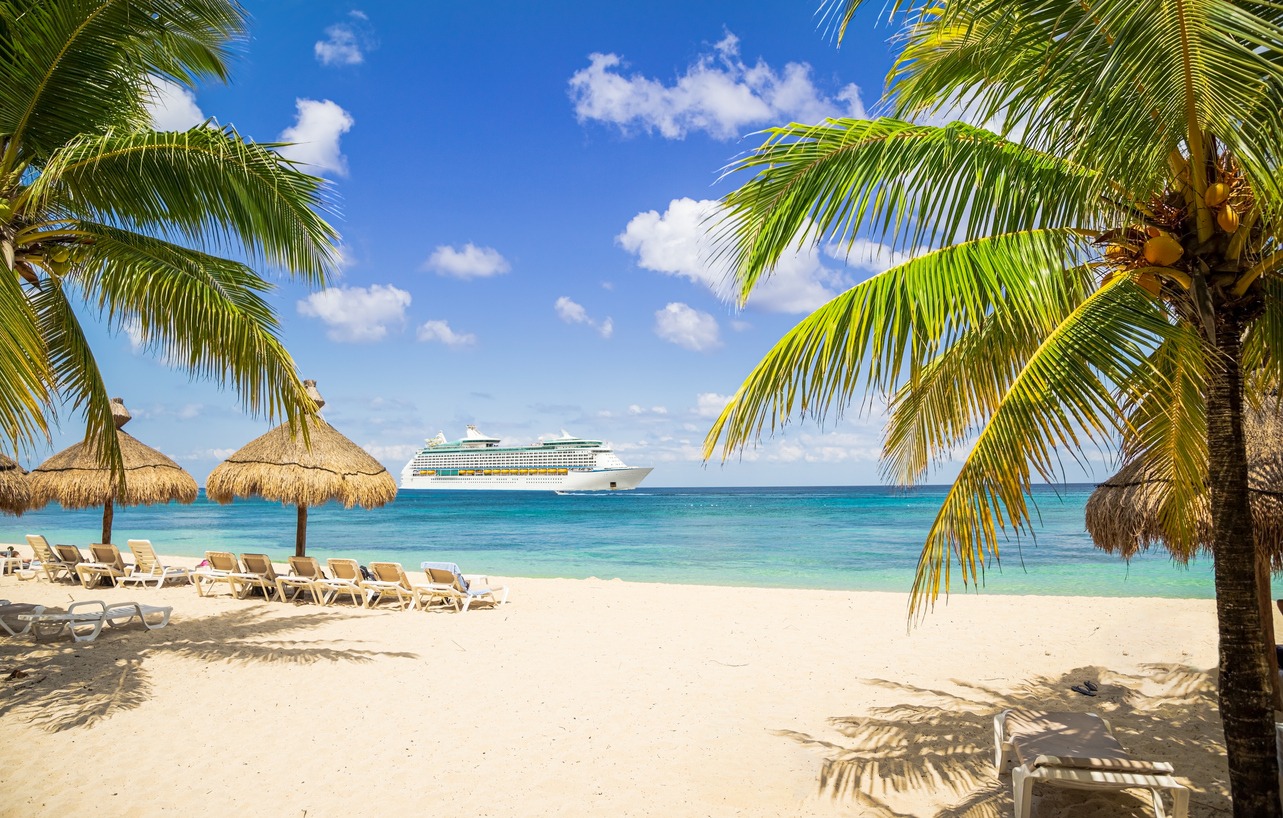
Modern cruise ships are much more than just a means of transport. They are like floating cities where thousands of passengers live, eat, work, exercise and are entertained at the same time. The technical, logistical and safety requirements are correspondingly high.
Dimensions of modern cruise ships
Their size alone makes cruise ships impressive:
- Length of over 300 metres
- More than 20 decks (comparable to high-rise buildings)
- Space for over 5,000 passengers plus crew
- Operation over several weeks without external power supply
These dimensions pose enormous challenges in terms of supply, stability, security and energy efficiency.
Floating city: supply and infrastructure
A cruise ship is not only living space, but also:
- power station
- waterworks
- wastewater treatment plant
- laundry
- Catering business with several restaurants
- Hotel operation with thousands of cabins
Every day, huge quantities of food have to be refrigerated, fresh water produced, waste water processed and thousands of items of clothing washed. Added to this is the energy required for lighting, air conditioning, lifts, navigation systems and entertainment electronics.
Comfort, safety and environmental aspects
Unlike many other types of ships, cruise ship construction does not focus solely on logistics. The following factors are crucial:
- maximum comfort
- Safety even in extreme weather conditions
- high environmental standards
- reliable energy efficiency
Passengers pay high prices and expect a high-quality, safe and pleasant environment – even in rough seas.
Interior design: technology meets luxury
In order to meet these requirements, it is not only engineers who work in cruise ship construction. The following are also employed:
- interior designers
- Electronics and automation specialists
- materials experts
- safety engineer
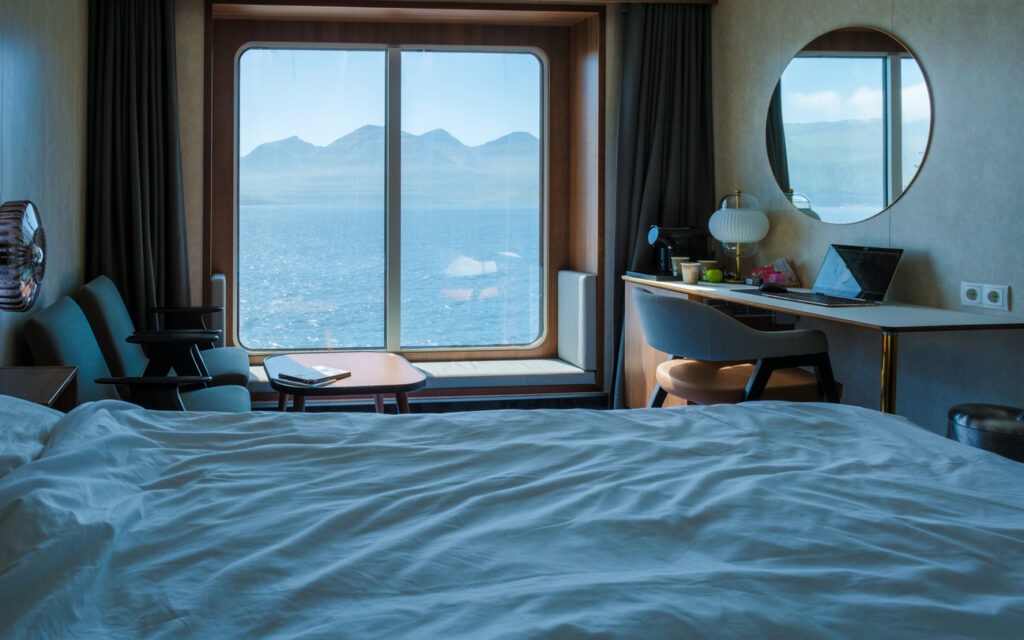
The interior design is particularly complex, as the materials used must meet several requirements at the same time:
- fireproof
- durable
- easy to care for
- as light as possible
A low overall weight has a direct positive effect on fuel consumption, stability and energy efficiency of the cruise ship.
Hidden technology and high security requirements
Another aspect is the invisible integration of all supply systems. Wires, pipes and cables may:
- be functional
- do not waste space
- not be visible to the eye
In addition, cruise ships must comply with international safety standards, in particular SOLAS (Safety of Life at Sea). These include:
- sufficient lifeboats
- modern fire extinguishing systems
- clearly marked evacuation routes
- Emergency lighting and redundant safety systems
Construction process: precision, planning and cost-effectiveness
The construction of a cruise ship requires highly organised manufacturing:
- Prefabrication of thousands of modules
- automated welding processes
- Robotics and computer-assisted quality control
- precise scheduling
Even minor delays can cause significant financial losses, as shipping companies plan their routes and voyages well in advance.
Conclusion: Giants with enormous economic significance
Cruise ships are among the most complex structures in modern industry. Their planning and construction combine engineering, design, logistics, safety and economic efficiency at the highest level.
We will take a closer look at the economic challenges and opportunities facing this industry in the next article.
Zeitarbeit International offers Tailor-made solutions for companies in the shipbuilding industry. As an experienced partner in international recruitment, we support you in your search for qualified specialists – including applicant management, security checks and project-based staffing. Trust in our expertise and our network – we accompany you from the job advertisement to the successful recruitment.